Drainage Ditch Excavation in Atlanta, GA
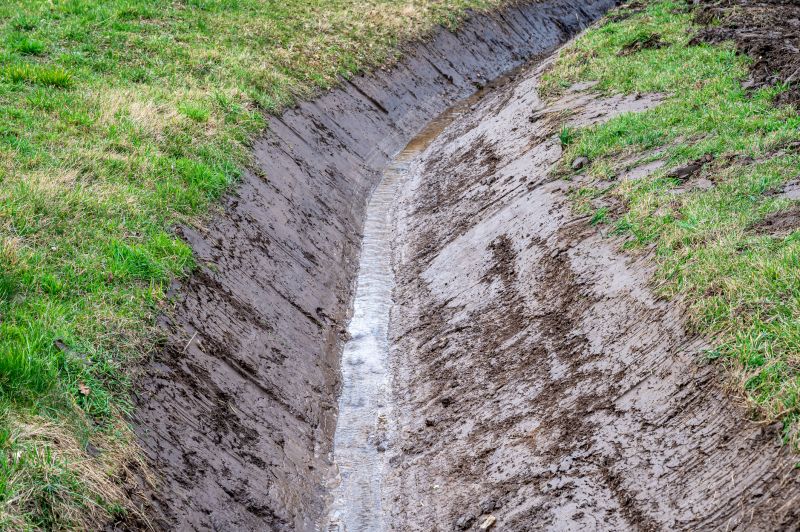
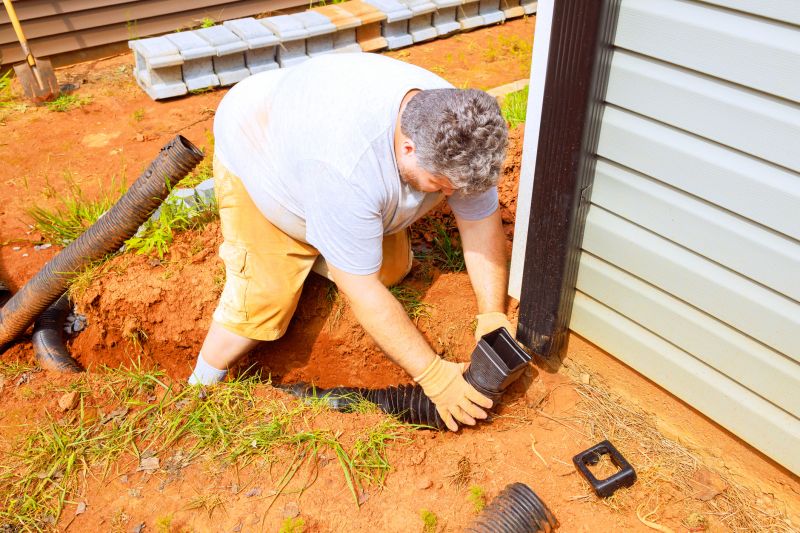
Drainage ditch excavation services involve the removal and shaping of earth to create effective channels for directing excess water away from residential properties. This service is commonly used for projects such as installing new drainage systems, improving existing ditches, or managing water flow on sloped or low-lying land. Homeowners often seek this service to prevent flooding, reduce soil erosion, and protect foundations, especially in areas prone to heavy rainfall or poor natural drainage.
Before requesting drainage ditch excavation, property owners should consider factors such as the size and location of the area requiring drainage, the type of soil present, and any existing underground utilities. Understanding the scope of the project and desired water management outcomes can help ensure the excavation is designed to meet specific needs. Proper planning can contribute to effective water diversion and long-term property protection.
Many property owners in Atlanta, GA look into Drainage Ditch Excavation for repairs, replacements, upgrades, and appearance-related improvements.
Purpose Of Drainage Ditch Excavation
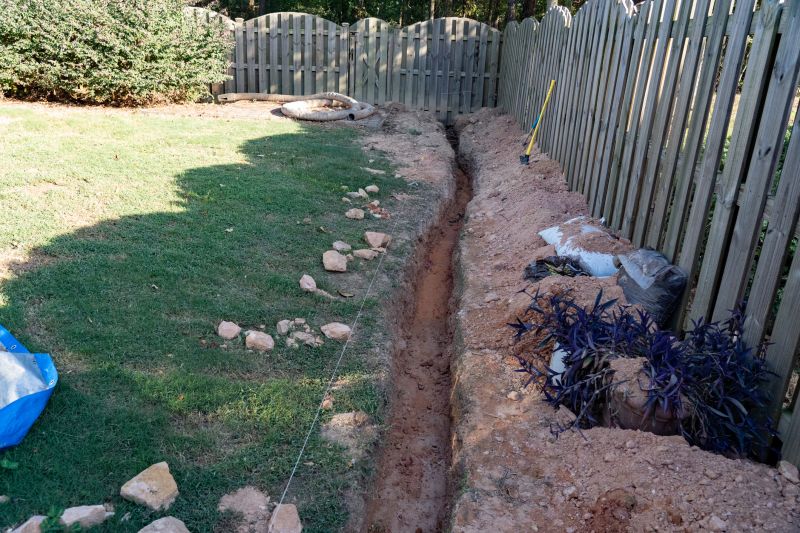
It helps prevent water accumulation and protects property foundations.
Common Projects Requiring Ditch Excavation
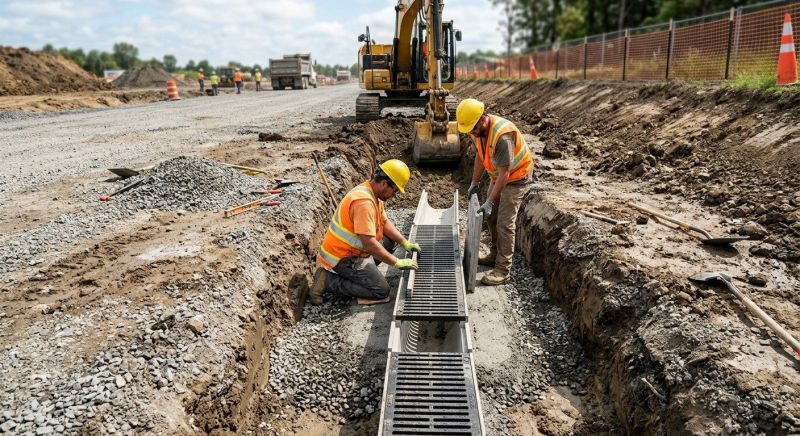
Installing new drainage systems or improving existing ones around homes and landscapes.
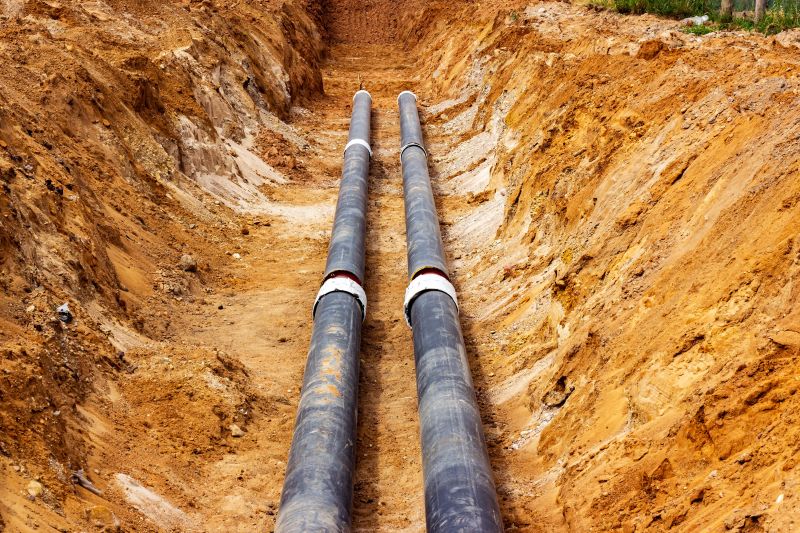
Key Considerations For Property Owners
Properly designed and maintained ditches ensure effective water flow and reduce erosion risks.
Drainage Ditch Excavation in Atlanta, GA
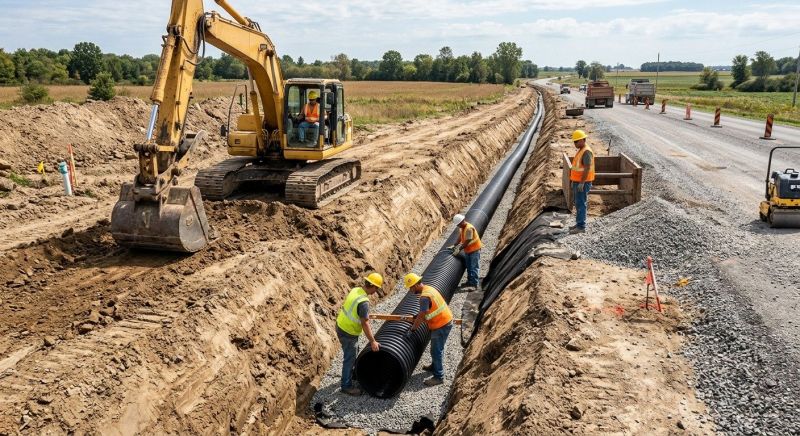
Drainage ditch excavation services involve the removal and shaping of earth to create effective channels for directing excess water away from residential properties. This service is commonly used for projects such as installing new drainage systems, improving existing ditches, or managing water flow on sloped or low-lying land. Homeowners often seek this service to prevent flooding, reduce soil erosion, and protect foundations, especially in areas prone to heavy rainfall or poor natural drainage.
Before requesting drainage ditch excavation, property owners should consider factors such as the size and location of the area requiring drainage, the type of soil present, and any existing underground utilities. Understanding the scope of the project and desired water management outcomes can help ensure the excavation is designed to meet specific needs. Proper planning can contribute to effective water diversion and long-term property protection.
Many property owners in Atlanta, GA look into Drainage Ditch Excavation for repairs, replacements, upgrades, and appearance-related improvements.
Common Drainage Ditch Excavation Jobs
Drainage ditch excavation involves creating channels to direct excess water away from foundations and landscape areas.
Stormwater management projects help prevent flooding by improving water flow and drainage on residential properties.
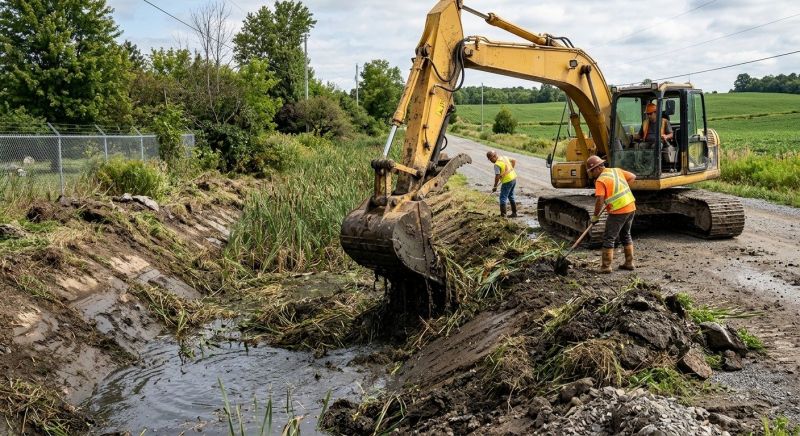
Erosion control services include shaping and lining ditches to reduce soil loss during heavy rains.
Yard drainage solutions focus on installing or improving ditches to alleviate pooling and soggy spots.
Property grading involves excavating ditches to establish proper slope and runoff patterns.
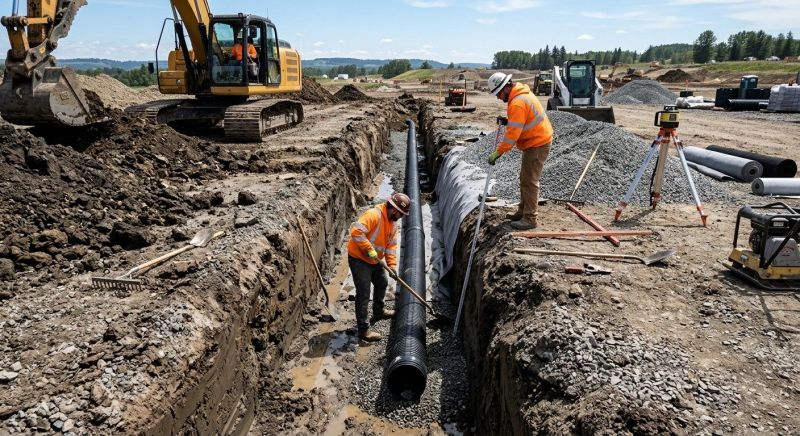
Drainage system upgrades may include enlarging or rerouting existing ditches to enhance water flow efficiency.
Drainage Ditch Excavation Questions
What is drainage ditch excavation used for? It is used to improve water flow and prevent flooding around residential or commercial properties.
What types of projects benefit from drainage ditch excavation? Projects such as yard drainage, stormwater management, and erosion control often require ditch excavation.
How does ditch depth affect drainage performance? Proper depth ensures effective water removal and reduces the risk of standing water or flooding issues.
Is drainage ditch excavation suitable for all property types? It is suitable for properties needing improved water runoff control, regardless of size or landscape features.
Request Drainage Ditch Excavation in Atlanta, GA
Use the quote form on this page to share the basics of your project and request more information for the type of work you need.